Food Finders
In The News
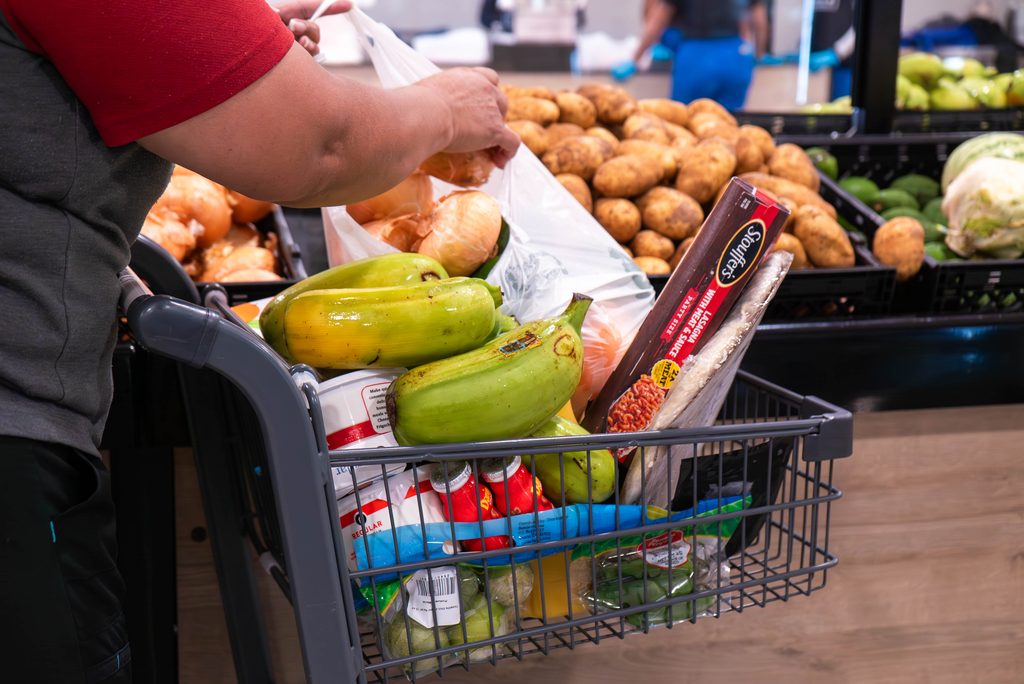
In the past year, the Supplemental Nutrition Assistance Program (SNAP) has changed substantially, from new rules on who is eligible to receive benefits to how the program is funded. More changes, coming as soon as this October, could put many more mouths and stomachs at risk.
Last July, millions lost access to SNAP benefits with the passage of the “One Big Beautiful Bill Act.” The law imposed new eligibility requirements. For example, more applicant groups now must prove that they work or volunteer at least 80 hours per month. This include veterans, those experiencing homelessness, young adults aging out of foster care, parents with children ages 14 and 17, and people between the ages of 55 and 64. The law also eliminated access to the program for certain immigrant groups, including green-card holders.
As a result, SNAP participation has decreased by nearly 5 million people as of May 2026, according to the Center on Budget and Policy Priorities. In the 25 states where data is available, nearly 1.2 million children no longer have SNAP benefits. Over that same period, there has been a 15 percent drop in SNAP participation in Indiana.
To make matters worse, an elongated government shutdown caused SNAP benefits to cease disbursements starting on November 1, 2025. At that time, nearly 1 in 8 Americans relied on this assistance. Though the shutdown eventually ended and benefits were restored, high demand still exists nationwide for the many who are no longer eligible.
Even before all of these changes, income requirements restricted many in need from getting these lifechanging benefits. On average, across our 16 counties, 53 percent of food insecure neighbors may be ineligible for SNAP benefits based on their income. They sit in an awkward gap between making ‘too much’ to receive benefits but not making enough to afford food without making other sacrifices. Often, the only other resources available are food banks and pantries.
Now, there is a strong possibility that starting on October 1, 2026, further federal changes will significantly impact those enrolled in SNAP, though a current amended bill in the Senate postpones these changes to 2027. Currently, the federal government evenly splits the cost of the program with each state. In the future, the funding structure will change, with the state governments now having to cover 75 percent of the cost.
Regardless of when these changes take place (likely to be a question of not if but when), their impact will be detrimental. The Georgetown Center on Poverty and Inequality estimates that states will now need to spend two to three times more on SNAP. That may come at the sacrifice of other important programs. While ending hunger is our goal, it should not come at the cost of other social programs. We believe that only a holistic approach, including healthcare, education, and housing programs, can effectively end hunger. Though currently not the case in Indiana, more concerning is that other states may choose to narrow or even pause SNAP benefits if the new costs become overwhelming.
When supplemental food benefits disappear, people had no where else to turn but food banks, food pantries, and other community organizations. As Cindy Chavez, executive director of Pantry 279 in Bloomington, wrote in the Indiana Daily Student, “when someone loses SNAP or Medicaid, the need does not vanish. It moves into pantry lines, classrooms, hospital waiting rooms and the homes of relatives already struggling.”
Though we do our best to rise to the task, we fear that the need could become overwhelming. According to Feeding America, for every meal a food bank provides, SNAP can provide nine. Food banks and pantries have limited space, resources, and volunteers. While we try to provide as much choice to our neighbors as possible, it can never compare to the freedom of shopping at a grocery store, even with the restrictions SNAP places on certain foods. Greater choice allows a family to plan meals, shop according to their needs, and make their food budget go further.
Cuts and changes to these programs also take a toll on the greater economy. The National Grocers Association estimates that lower SNAP participation could reduce grocery sales by nearly $88 million through 2032. Lower demand for retail food may lead to higher prices at the grocery store. This could mean layoffs and decreased revenue for farmers, who sell their goods to retail stores. As 8 out of 10 counties with the highest food insecurity rates are rural, many farmers get hit with both a loss of income and a loss of benefits.
As access to federal assistance becomes limited, at Food Finders, we are working hard to provide greater access to food for all in our community. Our Fresh Market allows for neighbors to shop at no cost, as frequently as needed. Our mobile pantries ensure that we reach rural communities who, even with a grocery budget, may live prohibitively far from the nearest supermarket.
But we cannot do it alone. Ending hunger means more than just feeding people. Hunger, for the most part, is not due to a lack of food on pantry or supermarket shelves. It is about a lack of access, whether someone can afford the food on the shelf, or even physically get to it. Food banks are one part of the solution, but they need to be coupled with more affordable grocery prices, stable and accessible housing, and economic assistance as needed. No one should have to choose between housing, healthcare, and food. In fact, all three go hand-in-hand. Cutting programs like SNAP only make these choices harder for our neighbors.
If possible, call your representatives and urge them to protect these important programs that strengthen our communities. No matter what happens, Food Finders will always be here, doing everything we can to support our neighbors.